RF cable assembly specification ที่ดีต้องทำให้โรงงานผลิตและทดสอบซ้ำได้
สำหรับงาน fine-gauge micro-coax สเปกเฉพาะ การควบคุม impedance ต้องเริ่มจากการกำหนด specification และวิธีทดสอบให้สอดคล้องกัน โดยระบุ test fixture, acceptance limit, frequency range และรูปแบบรายงานไว้ตั้งแต่ก่อนทำตัวอย่าง เพื่อให้ผลการทดสอบทำซ้ำและเปรียบเทียบข้ามล็อตได้
บทความนี้เขียนสำหรับวิศวกร RF, buyer, SQE และ project manager ที่กำลังสั่งผลิตสาย RF หรือ coax ในช่วง prototype, pilot หรือ repeat production คำตอบสั้นคือ RF cable assembly specifications ต้องระบุอย่างน้อย 8 เรื่อง: impedance, cable family, connector interface, length reference, bend/strain relief, frequency range, acceptance limit และ test fixture หาก RFQ เขียนแค่ "50 ohm coax cable with SMA" โรงงานอาจประกอบได้สวย แต่ยังไม่มีเกณฑ์พิสูจน์ว่าสายทำงานได้จริงในระบบ
TL;DR
- ระบุ 50Ω หรือ 75Ω พร้อม frequency range เสมอ ไม่ใช้คำว่า RF cable แบบลอย ๆ
- ล็อก connector part number, cable group, strip dimension และ torque หรือ latch requirement
- Continuity 100% ไม่พอสำหรับงาน RF ที่ต้องคุม insertion loss, return loss หรือ VSWR
- ใช้ IPC/WHMA-A-620, UL 758 และ quality control plan เพื่อคุม workmanship และ traceability
- แนบ test fixture, calibration method และ report format ก่อนอนุมัติ first article
1. RF cable assembly specifications คืออะไร
RF cable assembly specifications คือเอกสารข้อกำหนดที่บอกโรงงานว่าชุดสาย RF ต้องใช้สาย, หัวต่อ, ความยาว, geometry, shielding, strain relief และวิธีทดสอบแบบใด เพื่อให้ผลสัญญาณซ้ำได้ระหว่าง sample, pilot และ production lot เอกสารนี้ควรอยู่คู่กับ drawing, BOM, test plan และ acceptance criteria ไม่ใช่เป็นคำอธิบายสั้น ๆ ในอีเมลจัดซื้อ
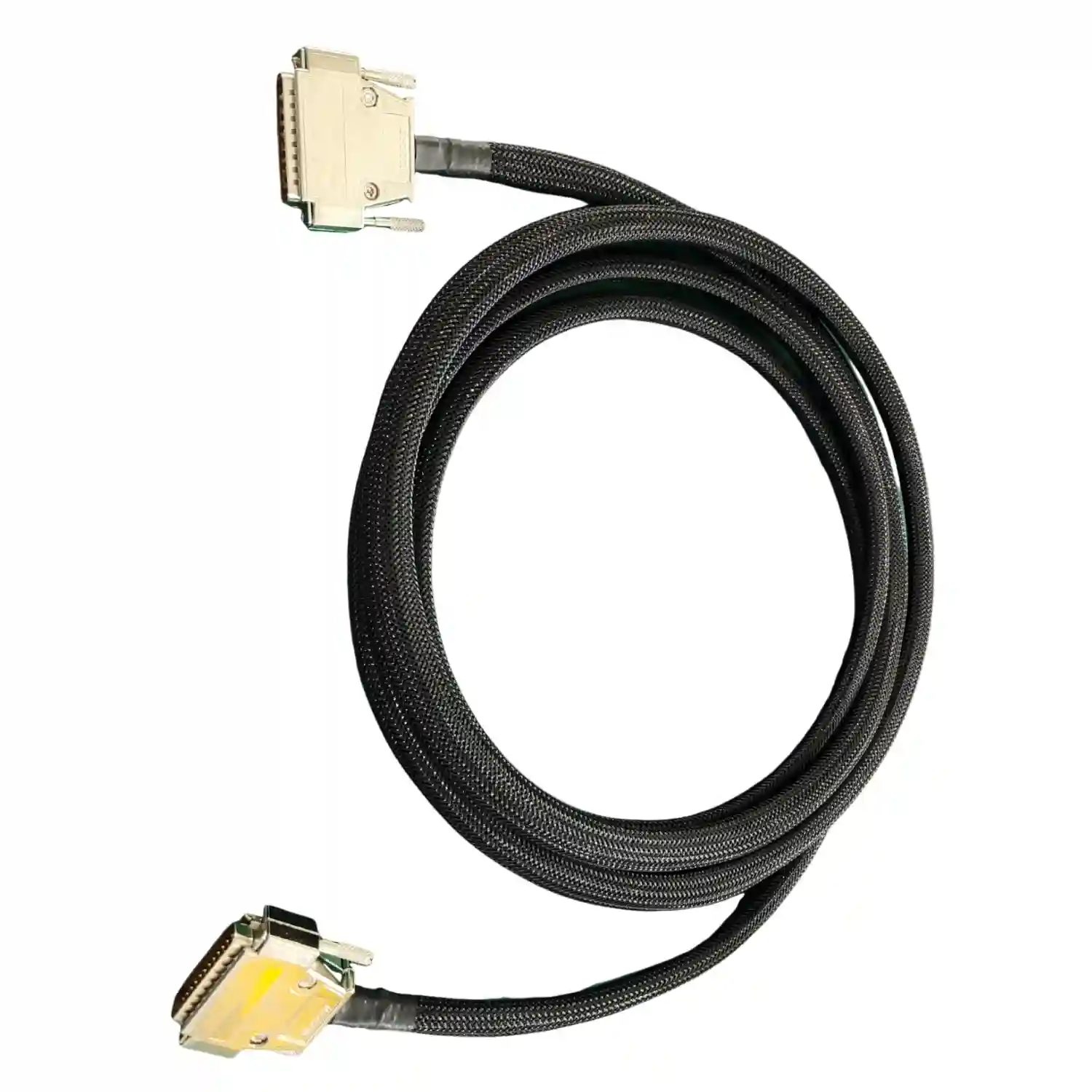
RF cable assembly คือชุดสายที่ออกแบบให้ส่งสัญญาณ radio frequency ผ่านสาย coax, micro-coax, twinax หรือสาย shielded เฉพาะทาง โดยให้ความสำคัญกับ impedance, loss, reflection และ shielding มากกว่าสายไฟกำลังทั่วไป งานที่พบได้บ่อยคือ antenna lead, GPS jumper, camera link, test lead, telecom module, thermal imaging sensor และ medical RF subassembly
Coaxial cable คือสายสัญญาณที่มี center conductor, dielectric, shield และ jacket อยู่ในแกนร่วมกัน โครงสร้างนี้ช่วยคุม impedance และลดการรบกวนจากภายนอกเมื่อเลือกสายและเข้าหัวถูกต้อง ส่วน micro-coax คือ coaxial cable ขนาดเล็กมากที่ใช้ในพื้นที่จำกัด เช่น sensor head, camera module และ imaging device ซึ่งไวต่อแรงดึงและความคลาดเคลื่อนของ fixture มากกว่าสาย RG ขนาดใหญ่
2. ทำไมสเปก RF ที่คลุมเครือถึงสร้าง defect แพง
สาย RF มีความเสี่ยงต่างจาก wire harness ทั่วไป เพราะ defect บางอย่างไม่แสดงออกใน open/short test ตัวอย่างเช่น center pin ย้ำแน่นพอให้ไฟผ่าน แต่ dielectric ถูกกดเสียรูป 0.2 mm จน impedance transition เปลี่ยน หรือ shield braid ถูกตัดสั้นเกินไปจน return loss แย่ลงเฉพาะย่านความถี่ที่ใช้งานจริง หากไม่มี test limit โรงงานจะไม่รู้ว่าต้อง reject จุดใด
ในงาน micro-coax fine-gauge สเปกเฉพาะ ทำให้ margin เชิงกลต่ำมาก การจับสายผิดจุด, test adapter สึก, mating force ไม่คงที่ หรือการนิยาม high impedance ไม่ตรงกันสามารถเปลี่ยนผลได้ทันที บทเรียนคือสเปก RF ต้องผูก drawing revision กับ test method revision เสมอ ไม่เช่นนั้นผู้ผลิตและลูกค้าจะคุยกันคนละเกณฑ์เมื่อเกิด defect
สำหรับ buyer ความเสียหายไม่ได้อยู่ที่ค่าสายหนึ่งเส้นเท่านั้น แต่รวมถึงเวลาหยุดไลน์, ค่า debug ของวิศวกร, ค่า express shipment, งานคัดแยก และความเชื่อมั่นที่หายไป หาก defect จำนวนมากเกิดจาก requirement ไม่ชัด การลดราคา unit price 3-5% ตั้งแต่แรกไม่มีความหมายเท่ากับการกำหนด acceptance window ให้ชัดก่อนออก PO
3. มาตรฐานที่ควรอ้างใน RF cable assembly specifications
IPC/WHMA-A-620 ใช้อ้างอิง workmanship ของ cable and wire harness assemblies เช่น wire preparation, conductor damage, crimp, soldered termination, shield termination, marking, visual inspection และ acceptance class แม้มาตรฐานนี้ไม่ได้กำหนดค่า insertion loss ให้ทุกสาย RF แต่เป็นฐานคุมการประกอบที่มีผลต่อ performance โดยตรง
UL 758 ใช้เชื่อมกับ wire style, insulation, voltage และ temperature rating เมื่อ RF cable assembly อยู่ในอุปกรณ์ที่ต้องผ่าน safety review หากเปลี่ยนสายจาก RG-174 เป็น low-loss coax ที่ OD ใหญ่ขึ้น ต้องตรวจไม่ใช่แค่ loss ดีขึ้น แต่ต้องดู insulation rating, flame rating, bend radius และ compatibility กับ enclosure ด้วย
IEC 61169 เป็นตระกูลมาตรฐานที่เกี่ยวข้องกับ RF connectors หลายชนิด ส่วนแนวคิด standing wave ratio ช่วยอธิบายว่าค่า VSWR เชื่อมกับ impedance mismatch อย่างไร สำหรับระบบยานยนต์หรือ supplier ที่ถูก audit ควรเพิ่ม IATF 16949 เพื่อคุม change approval, traceability และ corrective action
4. ตารางสเปกขั้นต่ำสำหรับ RFQ และ drawing
| หัวข้อสเปก | สิ่งที่ต้องระบุ | ตัวอย่างที่ใช้งานได้ | ความเสี่ยงถ้าไม่ระบุ | หลักฐานที่ควรขอ |
|---|---|---|---|---|
| Impedance | 50Ω, 75Ω หรือค่าเฉพาะ พร้อม tolerance ถ้ามี | 50Ω system, no 75Ω substitution | reflection สูง แม้ connector เสียบกันได้ | cable datasheet, TDR หรือ VNA record |
| Frequency range | ช่วงความถี่ใช้งานจริงหรือจุดทดสอบ | DC-3 GHz หรือ test at 915 MHz / 2.4 GHz | วัดผิดย่านแล้วไม่เห็น loss ที่เกิดในระบบ | test report พร้อม frequency points |
| Connector interface | ชนิด, gender, polarity, straight/right-angle, bulkhead | SMA male straight to MMCX right-angle | mating fit ผิด หรือ torque/latch ไม่เหมาะ | connector datasheet, mating sample photo |
| Cable family | RG type, micro-coax series, OD, jacket, bend limit | RG-178 PTFE หรือ CABLINE-VS 1:1 | ferrule ไม่จับ shield, bend แล้ว impedance เปลี่ยน | approved cable list, incoming inspection record |
| Length reference | tip-to-tip, shoulder-to-shoulder หรือ exposed length | 100mm length, measured connector reference plane to plane | สายสั้นหรือยาวผิดเพราะวัดคนละจุด | dimensioned drawing, first article photo |
| RF acceptance | insertion loss, return loss, VSWR หรือ impedance limit | VSWR ≤1.5:1 at operating band | continuity ผ่านแต่สัญญาณตกในเครื่องจริง | VNA screenshot, calibration record, raw data |
| Mechanical control | strain relief, bend radius, pull force, overmold หรือ heat shrink | no bend within 25mm from connector exit | สายเสียหลังประกอบ downstream หรือ vibration | work instruction, bend-after-test sample |
ตารางนี้ควรถูกแนบไปกับ wire harness RFQ checklist เมื่อโครงการมี requirement ด้านสัญญาณ หากยังไม่มีตัวเลข loss ชัด ให้เริ่มด้วย target application, cable length, frequency และตัวอย่างเครื่องปลายทาง แล้วให้ supplier เสนอ test plan ที่ตรวจได้จริงก่อนคุยราคา production
5. วิธีกำหนด test plan: continuity, VSWR, return loss และ insertion loss
Continuity test คือการตรวจว่าตัวนำต่อถึงกัน ไม่มี open และไม่มี short ระหว่าง center conductor กับ shield งาน RF ทุกชุดควรผ่าน continuity 100% แต่การผ่าน continuity ไม่ได้พิสูจน์ว่า impedance สม่ำเสมอหรือค่า loss อยู่ในกรอบ ยิ่งสายสั้นอย่าง 100mm length ความผิดพลาดที่ปลาย termination จะกินสัดส่วนของ assembly มากกว่าสายยาวหลายเมตร
Insertion loss คือค่าการสูญเสียของสัญญาณจากต้นทางถึงปลายทาง มักรายงานเป็น dB ตามความถี่ ส่วน return loss คือค่าที่สะท้อนกลับจาก impedance mismatch ค่า return loss ที่แย่ลงมักชี้ไปที่ connector transition, cable damage, bend ใกล้หัวต่อ หรือ mismatch ระหว่างสายกับหัวต่อ VSWR คืออีกวิธีหนึ่งในการแสดง mismatch และมักคุยง่ายกับทีม RF ที่ใช้ antenna หรือ telecom module
Test plan ที่ใช้ได้ควรกำหนด 5 จุด: เครื่องมือที่ใช้, adapter และ fixture, calibration interval, frequency points และ acceptance limit สำหรับ first article ควรมีอย่างน้อย 3 sample กลุ่มคือ pass sample, boundary sample และ known-fail หรือ reference defect sample หากลูกค้าไม่มี known-fail ให้สร้าง sample deviation ที่ควบคุมได้ เช่น ferrule crimp ต่ำกว่าเกณฑ์หรือ bend radius เล็กเกิน เพื่อยืนยันว่า fixture จับความผิดปกติได้จริง
6. ข้อกำหนดด้าน process ที่ควรล็อกตั้งแต่ sample
กระบวนการผลิต RF cable assembly เริ่มจากการตัดสายและปอกหลายชั้น ระยะ strip ของ jacket, braid, dielectric และ center conductor ต้องสัมพันธ์กับ connector ที่เลือก ความคลาดเคลื่อน 0.1-0.2 mm อาจทำให้ center pin protrusion, ferrule capture หรือ dielectric support เปลี่ยนได้ จึงควรมี setup sample และ inspection photo ก่อนผลิตล็อตจริง
ในงาน crimp RF ต้องระบุ die set, crimp height, ferrule size, cable group และ pull check ตามความเหมาะสม หากเป็น solder termination ต้องคุมความร้อน, wicking, cleanliness และ flux residue โดยอ้างอิง IPC/WHMA-A-620 หรือ IPC-J-STD-001 ในส่วนที่เกี่ยวข้องกับ soldered electrical connections สำหรับงานที่มี overmold หรือ heat shrink ต้องทำ bend-after-process check เพราะความร้อนและ stiffness อาจเปลี่ยนแรงที่กดกลับไปยัง connector
ถ้าใช้หัวต่อขนาดเล็ก เช่น MMCX cable assembly, SMA connector cable หรือ micro-coax ภายในอุปกรณ์ จุดเสี่ยงไม่ใช่แค่การเข้าหัว แต่รวมถึงวิธีจับสายระหว่างประกอบ downstream ควรกำหนด no-pull zone, no-twist instruction และ packaging ที่ไม่บังคับให้สายงอใกล้หัวต่อก่อนถึงมือลูกค้า
7. วิธีเขียน acceptance criteria ให้ buyer และโรงงานอ่านตรงกัน
Acceptance criteria ควรเขียนเป็นตัวเลขหรือเงื่อนไขตรวจได้ เช่น "continuity 100% all conductors", "no short center-to-shield", "visual inspection 100% for braid exposure", "first article VNA report at 3 frequency points" หรือ "no bend within 25mm from connector exit" อย่าใช้คำว่า performance good, signal stable หรือ RF tested โดยไม่บอกค่าและวิธีวัด
ถ้าเป็น prototype ที่ยังไม่รู้ limit สุดท้าย ให้แยกเป็น engineering characterization และ production acceptance อย่างชัดเจน เช่น รอบ sample วัด insertion loss และ VSWR เพื่อสร้าง baseline ส่วน pilot lot ใช้ baseline นั้นบวก guard band ที่ตกลงกันแล้ว วิธีนี้ช่วยให้ทีมออกแบบเรียนรู้จากตัวอย่างจริงโดยไม่ล็อกสเปกที่อาจเข้มเกินจำเป็นตั้งแต่วันแรก
สำหรับ repeat production ควรใส่ trigger inspection เมื่อเปลี่ยน cable reel, connector lot, applicator, fixture, operator shift หรือ drawing revision หากเป็นงาน coaxial cable assembly ที่ส่งต่อให้ลูกค้าติดตั้งใน enclosure ควรขอ fit-check photo และ bend condition หลังประกอบด้วย เพราะสายที่ผ่านบนโต๊ะทดสอบอาจ fail เมื่อถูกบังคับโค้งในพื้นที่จริง
8. RFQ checklist สำหรับ RF cable assembly
- ระบุ application: antenna, sensor, camera, telecom, test lead หรือ imaging module
- ระบุ impedance 50Ω หรือ 75Ω และห้าม substitute หากระบบล็อกแล้ว
- ระบุ cable type, jacket material, OD, bend radius และ approved alternatives
- ระบุ connector part number, gender, orientation, keying, torque หรือ latch requirement
- ระบุ length reference และ tolerance เช่น tip-to-tip หรือ reference plane
- ระบุ frequency range และค่า insertion loss, return loss หรือ VSWR ที่ต้องการ
- ระบุ test coverage: 100%, sampling, first article, lot change หรือ periodic audit
- แนบ drawing revision, BOM revision, sample photo และ packaging requirement
- ขอ test report ที่มี fixture revision, calibration date และ raw measurement หากงานเสี่ยงสูง
Checklist นี้เหมาะกับงาน RF cable assembly manufacturer, FAKRA connector cable, SMA, BNC, MMCX, RG series และ micro-coax หากโครงการยังอยู่ในช่วง concept ให้ใช้ checklist เพื่อแยกสิ่งที่ล็อกแล้วออกจากสิ่งที่ต้องให้ supplier เสนอ เช่น cable family หรือ test limit ที่เหมาะกับความถี่จริง
9. สัญญาณเตือนว่าสเปก RF ยังไม่พร้อมปล่อย PO
สัญญาณแรกคือ drawing ไม่มีจุดอ้างอิงความยาว หรือ buyer กับ engineer วัดคนละตำแหน่ง เช่น ฝ่ายหนึ่งวัดปลาย housing ถึงปลาย housing แต่อีกฝ่ายวัด reference plane ของ interface RF ความต่างไม่กี่มิลลิเมตรอาจไม่กระทบสายทั่วไป แต่มีผลต่อ routing และ strain relief ใน module ขนาดเล็ก
สัญญาณที่สองคือสเปกเขียนว่า "same as sample" โดยไม่มีรูป, revision, measurement หรือ golden sample control ตัวอย่างจริงช่วยมาก แต่ถ้าไม่มีการล็อก sample ID และผลทดสอบ ก็กลายเป็นความเสี่ยงเมื่อ sample ถูกเปลี่ยนมือหรือเสียหายระหว่างขนส่ง สัญญาณที่สามคือใช้คำว่า equivalent connector โดยไม่ระบุ approval process เพราะ equivalent ทางมิติไม่ได้แปลว่า equivalent ทาง RF หรือ mechanical retention
หากพบ 3 สัญญาณนี้ ควรหยุดที่ DFM review ก่อน ไม่ควรเร่ง PO production ให้ supplier เดาเอง WIRINGO มักเริ่มด้วย sample 5-20 ชิ้นสำหรับงานใหม่ ตรวจ fit, visual, continuity, dimensional และ RF baseline จากนั้นค่อยล็อก production control plan เมื่อ engineering team ของลูกค้าอนุมัติผลจริง
FAQ: RF cable assembly specifications
RF cable assembly specifications ต้องมีข้อมูลขั้นต่ำอะไรบ้าง?
ขั้นต่ำควรมี impedance 50Ω หรือ 75Ω, cable type, connector part number, length reference, frequency range, bend limit และ test requirement อย่างน้อย continuity 100% หากงานเกี่ยวกับ antenna, camera หรือ telecom ควรเพิ่ม insertion loss, return loss หรือ VSWR พร้อม fixture และ calibration method
Continuity test 100% เพียงพอสำหรับสาย RF หรือไม่?
ไม่เพียงพอสำหรับงานที่ต้องคุมสัญญาณ Continuity 100% จับ open และ short ได้ แต่ไม่จับ impedance mismatch, dielectric deformation หรือ return loss ที่เกิดจาก connector transition หากสายทำงานในย่าน MHz/GHz ควรกำหนด RF test ใน first article หรือ sampling ตามความเสี่ยง
ควรระบุ VSWR หรือ return loss แบบใดใน RFQ?
ให้ระบุช่วงความถี่และ limit ที่วัดได้จริง เช่น VSWR ≤1.5:1 ใน operating band หรือ return loss ตามจุดทดสอบที่ตกลงกัน อย่าเขียนแค่ VSWR tested เพราะโรงงานอาจวัดคนละความถี่ ใช้ adapter คนละชุด หรือรายงานผ่านโดยไม่มี raw value
IPC-A-620 ใช้กับ RF cable assembly ได้หรือไม่?
ใช้ได้ในฐานะ workmanship standard สำหรับ cable and wire harness assemblies เช่น crimp, solder, shield termination, marking และ visual inspection แต่ต้องเพิ่ม RF-specific criteria เอง เช่น insertion loss, return loss, VSWR หรือ impedance verification เพราะ IPC/WHMA-A-620 ไม่ได้แทน test plan ของแต่ละระบบ
UL 758 เกี่ยวข้องกับสาย RF อย่างไร?
UL 758 เกี่ยวข้องเมื่อสายหรือ wire style ต้องผ่านข้อกำหนดด้าน insulation, voltage, temperature และ flame rating ในอุปกรณ์ปลายทาง หากเปลี่ยน cable เพื่อให้ loss ต่ำลง ต้องตรวจว่า rating และ material ยังตรงกับ safety requirement ไม่ใช่ดูเฉพาะ performance RF
ควรทำ first article กี่ชิ้นสำหรับ RF cable assembly ใหม่?
งานทั่วไปอาจเริ่มที่ 5-20 ชิ้นเพื่อดู fit, visual, continuity, dimensional และ RF baseline หากงานเสี่ยงสูงควรมี pass sample, boundary sample และ known-fail หรือ reference defect sample อย่างน้อย 3 กลุ่ม เพื่อยืนยันว่า fixture และ acceptance limit จับปัญหาได้จริง
สรุปและขั้นตอนถัดไป
RF cable assembly specifications ที่ดีไม่ใช่เอกสารยาวที่สุด แต่เป็นเอกสารที่ทำให้วิศวกร, buyer และโรงงานอ่านแล้วผลิต ทดสอบ และตัดสิน defect ด้วยเกณฑ์เดียวกัน ตัวอย่างที่ defect เกิดเป็นสัดส่วนสูงของล็อตทดสอบ แสดงให้เห็นว่าความคลุมเครือของสเปกและ test method สามารถเปลี่ยนปัญหาทางเทคนิคให้เป็นวิกฤตความเชื่อมั่นได้ทันที
หากคุณกำลังเตรียม RFQ สำหรับ RF cable assembly, coaxial cable assembly, micro-coaxial cable assembly หรือแผน cable testing ส่ง drawing, target frequency, connector part number, cable datasheet และจำนวนล็อตแรกผ่าน หน้าติดต่อ WIRINGO เพื่อให้ทีมวิศวกรช่วยตรวจ specification gap ก่อนผลิต sample