Wire cutting และ stripping tolerance เป็นตัวกำหนด crimp yield ก่อนที่ terminal จะเข้าเครื่องย้ำ
บทความนี้เขียนสำหรับวิศวกรผลิต วิศวกรคุณภาพ และทีมจัดซื้อที่กำลังทำ RFQ, pilot lot หรือ supplier audit สำหรับ custom wire harness และ cable assembly เป้าหมายคือช่วยตัดสินใจว่าจะกำหนดความยาวสาย, strip length, blade setting, nick allowance และ sampling plan อย่างไรให้ผลิตซ้ำได้ ไม่ใช่แก้ปัญหาที่ปลายทางหลัง crimp reject แล้ว
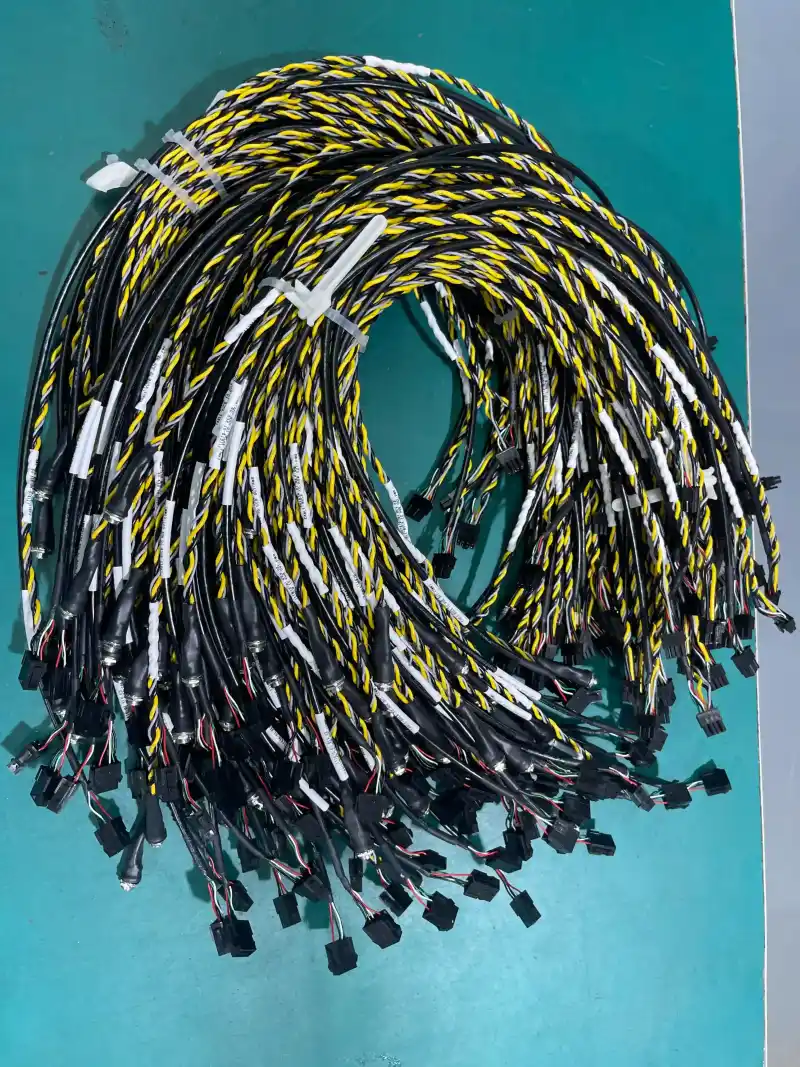
ตัวอย่างงานผลิต harness สำหรับตู้ควบคุมอุตสาหกรรมปริมาณมากที่มีสายย่อยจำนวนมาก ในช่วงแรกอาจพบ crimp reject โดยส่วนใหญ่เกิดจาก strip length สั้นกว่า drawing และมี insulation slug ค้างบน conductor หลังปรับ blade depth, เพิ่ม first-off inspection ทุกครั้งที่เปลี่ยน wire lot และตั้ง gauge block ตรวจความยาวเป็นระยะ อัตรา reject จะลดลงอย่างมากในล็อตยืนยันถัดมา
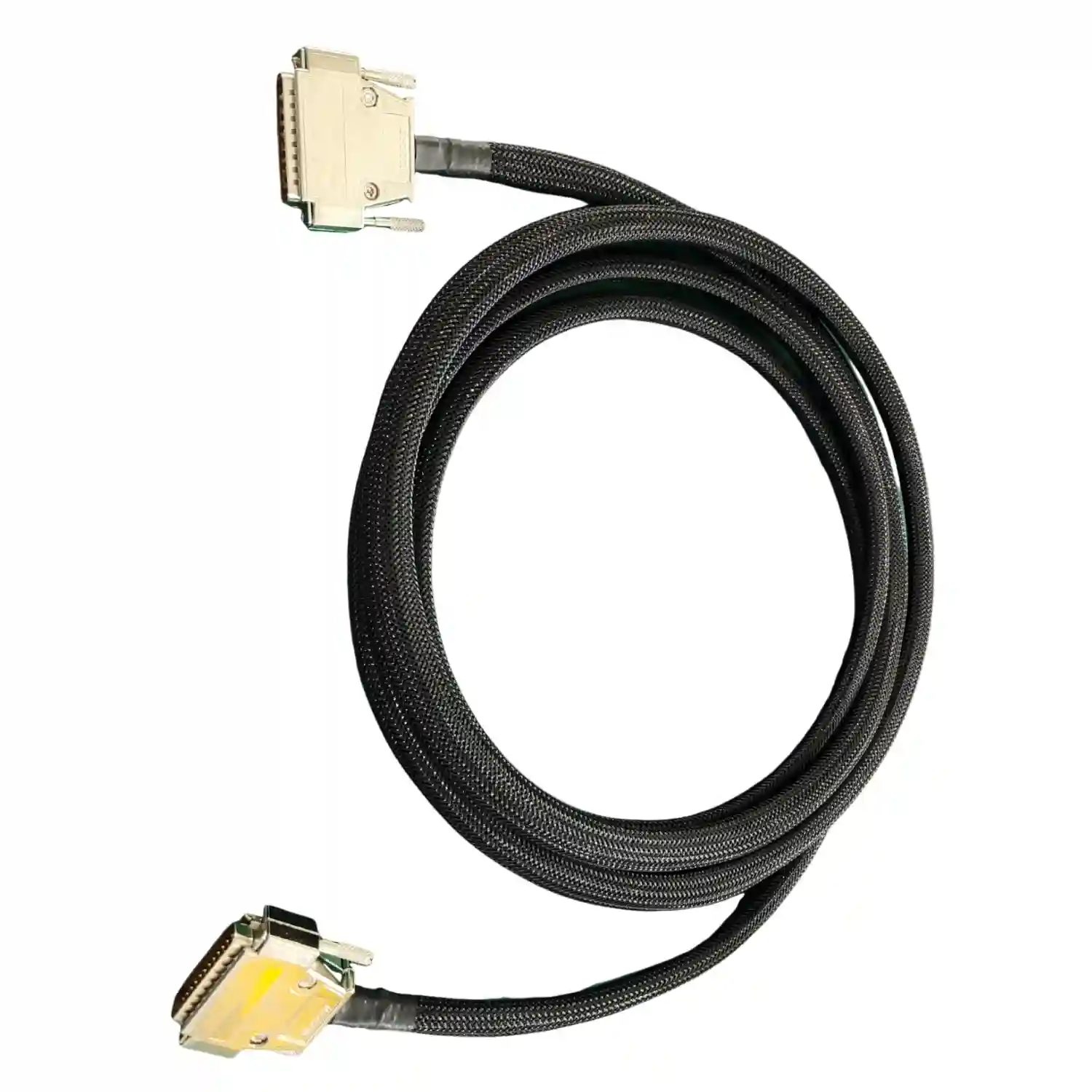
Representative project type (illustrative)
ตัวอย่างรูปแบบงานทั่วไป
สถานการณ์: A heavy machinery manufacturer requested quotes for multiple custom wire harness models but provided incomplete technical drawings at the initial inquiry stage.
โจทย์: Missing critical specifications, including relay models, Deutsch connector models, and Hammond enclosure details, prevented accurate quoting and risked production errors for the production run.
วิธีแก้: We implemented an engineering-to-engineering clarification process, compiling a detailed technical checklist to guide the client's internal engineering team to provide the missing specs, ensuring all requirements were locked down before sampling.
ผลลัพธ์: Achieved full specification lock-down, enabling accurate quoting for the sample build and the production run, preventing costly rework and material delays.
ขอบเขตงานโดยทั่วไป:
- Sample build
- Small-batch production run
- Sealed industrial connectors specified
- Enclosure integration specified
ตัวอย่างนี้เป็นภาพประกอบรูปแบบงานทั่วไป ไม่ได้อ้างอิงลูกค้าหรือโครงการเฉพาะราย
1. ความคลาดเคลื่อนที่ต้องคุมมี 4 ค่า ไม่ใช่แค่ความยาวสายรวม
Wire cutting tolerance คือช่วงยอมรับของความยาวสายหลังตัด ส่วน stripping tolerance คือช่วงยอมรับของฉนวนที่ถูกปอกออกจากปลายสาย แต่ในการผลิตจริงต้องคุม 4 ค่า ได้แก่ overall wire length, strip length ฝั่ง A, strip length ฝั่ง B และตำแหน่ง mark หรือ label ที่สัมพันธ์กับ connector ทุกค่ากระทบการประกอบปลายทางต่างกัน
มาตรฐาน IPC และ IPC/WHMA-A-620 ใช้เป็นกรอบ workmanship สำหรับ wire preparation เช่น strand damage, insulation damage, birdcaging และ conductor exposure ส่วน UL 758 เกี่ยวข้องกับ Appliance Wiring Material เช่น insulation, voltage rating และ temperature rating ที่ส่งผลต่อวิธีปอกสาย ข้อกำหนดใน drawing จึงควรระบุทั้งตัวเลข tolerance และมาตรฐาน acceptance ที่ใช้ตรวจ
2. ตารางตั้ง tolerance ตามประเภทสายและความเสี่ยง
| งานสาย | Overall length tolerance | Strip length tolerance | จุดเสี่ยงหลัก | วิธีตรวจที่แนะนำ |
|---|---|---|---|---|
| สาย jumper สั้นกว่า 300 mm | ±1.0 mm | ±0.3 mm | สายตึงใน housing, conductor ยื่นเกิน barrel | ตรวจ 5 ชิ้นแรกและทุก 300 เส้นด้วย digital caliper |
| สาย harness ทั่วไป 300-1500 mm | ±2.0-3.0 mm | ±0.5 mm | routing ผิด, service loop ไม่พอ, seal ตำแหน่งคลาด | ใช้ cut list + gauge board ตรวจทุก reel change |
| สาย shielded หรือ coaxial | ±2.0 mm | ตาม connector spec มักแคบกว่า ±0.3 mm | braid damage, dielectric nick, impedance shift | ตรวจด้วย strip gauge และกล้องขยาย 10x |
| สาย high-flex robotics | ±2.0 mm พร้อม bend allowance | ±0.5 mm | strand nick กลายเป็น fatigue crack หลัง cycle สูง | ตรวจ strand damage 100% ใน pilot lot 50-100 ชิ้น |
| สาย power ขนาด 8-2 AWG | ±3.0-5.0 mm | ±1.0 mm หรือตาม lug maker | ฉนวนเข้า barrel, conductor short, lug window ไม่เต็ม | ใช้ stop fixture, pull test และ visual check ทุก setup |
| สาย medical หรือ aerospace critical | ตาม drawing และ risk class | ±0.2-0.5 mm ตาม terminal | Class 3 ไม่รับ nicked strands หลายกรณี | first article + บันทึกค่า setup + sampling ตาม control plan |
3. Strip length ผิดพลาดทำให้เกิด defect แบบใด
Strip length สั้นเกินไปทำให้ฉนวนเข้าไปใน conductor crimp barrel และลดพื้นที่สัมผัสของทองแดงกับ terminal ผลลัพธ์คือ pull force ต่ำ, contact resistance สูง หรือ crimp force monitor เตือน false variation เพราะเครื่องกำลังย้ำฉนวนแทน conductor ส่วน strip length ยาวเกินไปทำให้ conductor โผล่นอก barrel เกิน spec เพิ่มความเสี่ยง short, strand flare และ corrosion ที่บริเวณไม่มีฉนวนป้องกัน
สาย stranded ขนาดเล็ก เช่น 28-24 AWG อ่อนไหวกับ blade depth มากกว่าสายใหญ่ เพราะ nick เพียง 1-2 strand อาจเท่ากับสัดส่วน conductor สูง สำหรับงาน Class 2 และ Class 3 ควรให้ inspector แยกคำว่า scrape, nick, cut strand และ broken strand ให้ชัด เพราะแต่ละ defect มีผลต่อ acceptance ต่างกันตาม IPC/WHMA-A-620 และตามข้อกำหนดลูกค้า
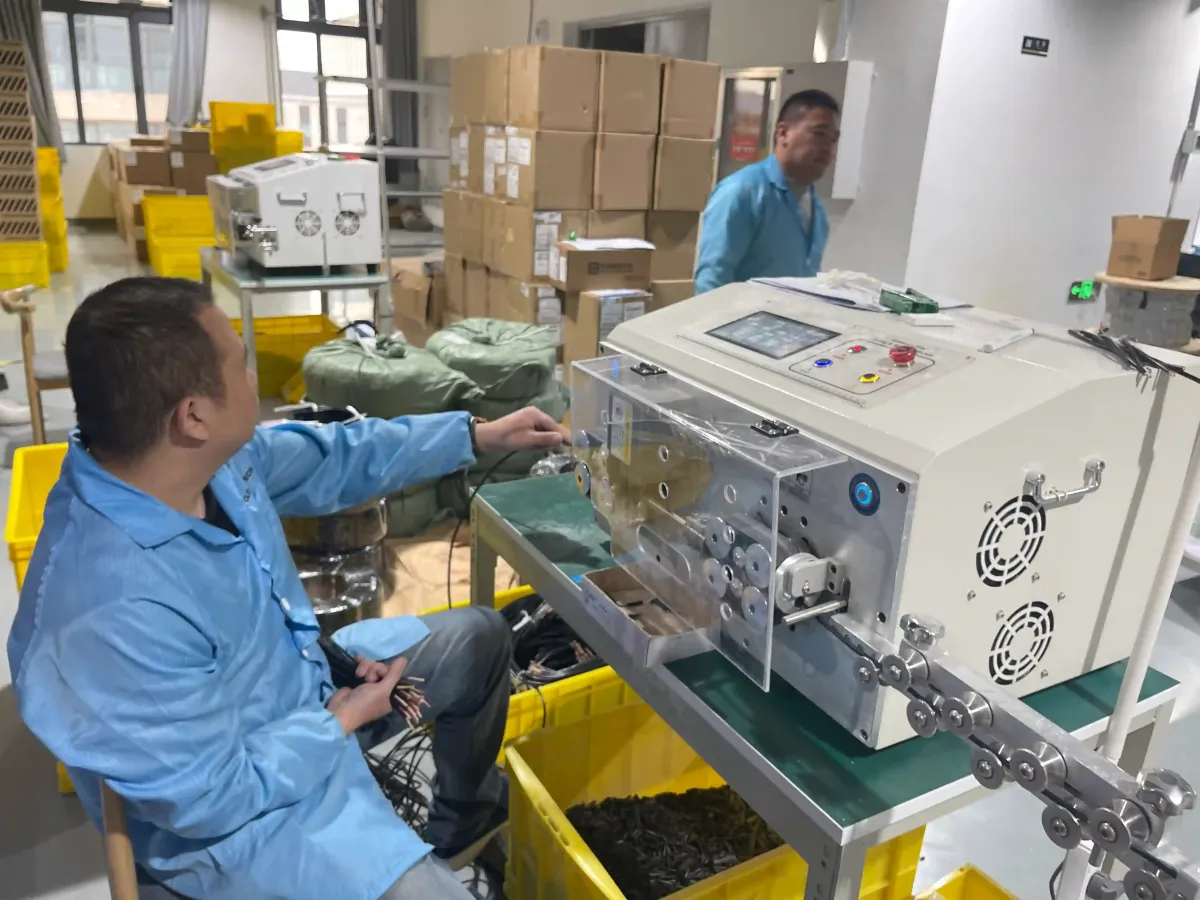
4. วิธีตั้งเครื่อง cut-strip ก่อนเริ่มล็อตผลิต
การตั้งเครื่องควรเริ่มจากข้อมูล 6 ค่าใน work instruction ได้แก่ wire part number, conductor size, insulation OD, insulation material, target strip length และ terminal หรือ connector ที่จะใช้ หากสายเป็น PVC, XLPE, silicone, PTFE หรือ jacket หลายชั้น ค่า blade depth และ pull-off speed จะต่างกัน แม้ AWG เท่ากันก็ไม่ควรคัดลอก setting จากสายคนละ material
ขั้นตอนที่ใช้ได้จริงคือผลิต trial 10 เส้น ตรวจความยาวรวมและ strip length ทั้งสองฝั่ง จากนั้นตรวจ strand damage ด้วยแว่นขยายหรือกล้อง microscope อย่างน้อย 5 เส้น หากงานต้องเข้า กระบวนการ crimping ทันที ควร crimp sample 5-10 จุดและวัด pull force ก่อนอนุมัติ setup การตรวจเฉพาะสายเปล่าโดยไม่ทดสอบ crimp อาจพลาดปัญหา insulation support หรือ conductor brush ที่โผล่เกินพอดี
5. Cutting tolerance ต้องรวม routing และ fixture board
ความยาวสายที่ถูกต้องบนโต๊ะตัดอาจยังผิดเมื่อวางบน wire harness board เพราะ routing มี bend radius, clip position, branch point, overmold, conduit และ service loop เข้ามาเกี่ยวข้อง สำหรับ harness ที่มีหลาย branch ควรกำหนด datum point ใน drawing เช่น connector face, back of shell, tie-down point หรือ branch tape edge เพื่อให้ทั้ง buyer และ supplier วัดตำแหน่งเดียวกัน
ในงาน prototype ทีม WIRINGO มักเผื่อสาย branch 10-20 mm เพื่อยืนยัน routing ก่อน freeze drawing แต่เมื่อเข้าสู่ production ต้องแปลงค่าที่เรียนรู้จาก prototype เป็น cut list ที่มี tolerance ชัดเจน บทความ Wire Harness จาก Prototype สู่ Production อธิบายจุดเปลี่ยนนี้ละเอียดกว่า ส่วนงานที่ต้องกันน้ำควรดูตำแหน่ง seal และ gland จาก waterproof wire harness ร่วมด้วย
6. Inspection plan ที่จับ drift ได้ก่อนเกิดล็อตเสีย
เครื่อง cut-strip สามารถ drift ได้จาก blade wear, feed roller slip, insulation hardness, wire spool tension และเศษฉนวนค้างใน guide tube แผนตรวจจึงต้องมีทั้ง first-off, in-process และ last-off inspection ไม่ใช่ตรวจเฉพาะตอนเริ่ม shift งานทั่วไปอาจตรวจทุก 300-500 เส้น ส่วนงาน critical หรือสายเล็กกว่า 24 AWG ควรเพิ่มความถี่เมื่อเปลี่ยน reel, เปลี่ยน blade, เปลี่ยน operator หรือพบ reject จาก crimp station
ค่าที่ควรบันทึกใน control sheet คือ machine ID, program number, blade depth, wire lot, operator, target length, measured length, strip length A/B, visual defect และ disposition หากโรงงานมีระบบ traceability ควรผูกข้อมูลนี้กับ lot code ตามแนวทางใน คู่มือ traceability label สำหรับ wire harness เพื่อให้ containment ทำได้ภายในชั่วโมง ไม่ใช่ค้นหาเอกสารหลังเกิดปัญหาแล้ว
7. เกณฑ์ยอมรับ strand damage ต้องเขียนให้ชัดใน RFQ
RFQ ที่เขียนว่า "strip cleanly" ยังไม่พอสำหรับงานที่มีความเสี่ยงสูง Buyer ควรระบุว่าไม่ยอมรับ cut strands, broken strands, conductor nick, insulation tear, insulation residue, birdcaging เกินเกณฑ์ และ strand flare ที่ทำให้ใส่ terminal ไม่เต็ม หากยึด IPC/WHMA-A-620 ต้องระบุ class เช่น Class 2 หรือ Class 3 เพราะเกณฑ์บางจุดต่างกันมาก
สำหรับสายที่ใช้วัสดุพิเศษ เช่น PTFE, silicone, fiberglass braid หรือ shielded cable ควรขอ sample photo ก่อนผลิตจริง 20-50 ชิ้นและให้ supplier ส่ง setting sheet แนบ first article report มาตรฐาน ISO 9001 และระบบเอกสารคุณภาพช่วยให้การเปลี่ยน blade, program หรือวิธีปอกสายต้องผ่าน change control ไม่ใช่ปรับหน้างานโดยไม่มี record
8. Manual stripping ยังใช้ได้เมื่อไร
Manual stripping ใช้ได้กับ prototype, repair, low-volume harness หรือสายพิเศษที่เครื่องอัตโนมัติยังไม่มี tooling เหมาะสม แต่ต้องมี stop gauge, calibrated hand tool และเกณฑ์ inspection ชัดเจน ไม่ควรให้ operator กะความยาวด้วยสายตาสำหรับงานที่ต้องเข้าหัว connector pitch เล็กหรือ terminal sealed cavity
ถ้าปริมาณเกิน 100-200 เส้นต่อค่า cut length หรือเป็น production ซ้ำทุกเดือน เครื่อง automatic cut-strip มักคุ้มกว่าเพราะลด variation และบันทึก setting ได้ การใช้ manual tool ต่อไปอาจเหมาะเฉพาะสาย jacket หนา, coaxial preparation หลายชั้น หรือ field modification ที่ต้องควบคุมทีละชิ้นด้วย technician ที่ผ่านการอบรม
9. ข้อจำกัดของ automatic cut-strip ที่ buyer ควรรู้
Automatic cut-strip ไม่ได้แก้ทุกปัญหา หากสายมี jacket นิ่มมาก, filler เยอะ, shield หลวม หรือ insulation memory สูง เครื่องอาจดึง slug ออกไม่หมดและทำให้ conductor twist หรือ strand flare มากกว่าการปอกด้วย fixture เฉพาะทาง งาน coaxial, twinax, micro cable และสาย multi-core ที่ต้องปอกหลายชั้นควรทดสอบ sample อย่างน้อย 20-30 ชิ้นก่อนสรุปว่าใช้เครื่องมาตรฐานได้
อีกข้อจำกัดคือ tolerance ที่แคบเกินความจำเป็นจะเพิ่มต้นทุนโดยไม่เพิ่มความน่าเชื่อถือ หาก connector spec ยอมรับ strip length 6.0 ±0.5 mm การบังคับ supplier เป็น ±0.1 mm อาจทำให้ต้องตรวจ 100%, เปลี่ยน tooling และเพิ่ม scrap โดยไม่ลด field failure ทีมวิศวกรควรตั้ง tolerance จาก function ของ terminal และ routing ไม่ใช่ตั้งเลขแคบเพื่อให้ drawing ดูเข้มงวด
10. ข้อกำหนดที่ควรใส่ใน drawing และ PO
- Overall length: ระบุ datum จุดเริ่มและจุดสิ้นสุด เช่น connector face to connector face หรือ cut end to cut end
- Strip length: ระบุค่าฝั่ง A/B เป็น mm พร้อม tolerance เช่น 5.0 ±0.3 mm
- Wire material: ระบุ AWG, strand count, insulation material, UL style หรือ supplier part number ตาม UL 758 เมื่อเกี่ยวข้อง
- Acceptance class: ระบุ IPC/WHMA-A-620 Class 2 หรือ Class 3 และข้อกำหนดลูกค้าที่เข้มกว่า
- Inspection frequency: first-off 5 ชิ้น, ทุก 500 เส้น, ทุก reel change หรือทุก blade change ตามความเสี่ยง
- Record retention: ระบุให้เก็บ setup sheet, measurement log และ defect record อย่างน้อย 3-5 ปีสำหรับงาน industrial หรือ automotive
- Escalation rule: หากพบ nicked strand, strip drift เกิน tolerance หรือ insulation residue ซ้ำ 2 ครั้งในล็อต ต้องหยุดเครื่องและ re-setup
11. เมื่อไรควรขอ process capability จาก supplier
ควรขอ process capability เมื่อสายมีปริมาณสูง, tolerance แคบกว่า ±0.5 mm, ใช้กับ safety-critical equipment หรือมี field replacement cost สูง Supplier ควรแสดงข้อมูลวัดจริงอย่างน้อย 30-50 จุดต่อค่า cut length และรายงาน mean, min, max, range และ out-of-tolerance count หากข้อมูลกองใกล้ขอบ spec แม้ยังไม่ reject ก็ควรปรับ setup ก่อน ramp production
สำหรับงาน automotive หรือ medical cable ที่ต้องใช้ control plan ทีมจัดซื้อควรขอ evidence เช่น gauge calibration, blade replacement interval, operator training record, nonconforming material procedure และ corrective action ตัวอย่างการตรวจล็อตแรกสามารถเชื่อมกับ First Article Inspection สำหรับ Cable Assembly เพื่อให้การอนุมัติ sample ไม่อาศัยภาพถ่ายสวยอย่างเดียว
12. FAQ: คำถามที่พบบ่อยเกี่ยวกับ wire cutting และ stripping tolerance
Strip length tolerance สำหรับ wire harness ควรกำหนดเท่าไร?
งานทั่วไปมักเริ่มที่ ±0.5 mm แต่ terminal pitch เล็ก, sealed connector หรือ Class 3 harness อาจต้องแคบลงเป็น ±0.2-0.3 mm ตาม connector manufacturer spec และเกณฑ์ IPC/WHMA-A-620
Overall wire length tolerance ควรใช้ ±1 mm ทุกงานหรือไม่?
ไม่ควรใช้ค่าเดียวทุกงาน สาย jumper สั้นกว่า 300 mm อาจต้อง ±1.0 mm แต่สาย branch ยาวกว่า 1 m ใน harness board มักใช้ ±2.0-3.0 mm พร้อมกำหนด datum point ให้ชัดเจน
Nicked strand ยอมรับได้ไหมในงาน cable assembly?
ขึ้นกับ class และข้อกำหนดลูกค้า IPC/WHMA-A-620 Class 3 เข้มมากกับ conductor damage หลายกรณี ส่วน Class 2 อาจมีเกณฑ์ยอมรับบางระดับ แต่ supplier ควรตั้งเครื่องให้ไม่มี nick เป็นเป้าหมาย ไม่ใช่ผลิตใกล้ขอบ reject
ควรตรวจความยาวสายบ่อยแค่ไหนระหว่างผลิต?
แนวทางใช้งานจริงคือ first-off 5-10 ชิ้น, ตรวจซ้ำทุก 300-500 เส้น และตรวจทุกครั้งที่เปลี่ยน wire reel, blade, operator หรือ program สำหรับล็อต critical ควรเพิ่ม last-off inspection ก่อนปิดงาน
Wire stripping defect ใดทำให้ crimp reject มากที่สุด?
สาเหตุที่พบบ่อยคือ strip length สั้นเกินไป, insulation slug ค้าง, conductor strands ถูก nick และ strand flare ก่อนใส่ terminal ทั้ง 4 จุดนี้ทำให้ crimp height, pull force และ visual acceptance ผิดจาก spec
UL 758 เกี่ยวข้องกับการปอกสายอย่างไร?
UL 758 ระบุกรอบของ Appliance Wiring Material เช่น insulation type, voltage และ temperature rating วัสดุฉนวนเหล่านี้กำหนด blade depth, pull-off speed และความเสี่ยง insulation damage ระหว่าง stripping แม้ตัว acceptance ของ harness จะอิง IPC/WHMA-A-620 เป็นหลัก
ควรขอข้อมูลอะไรจาก supplier ก่อนอนุมัติ production?
ควรขอ cut-strip setup sheet, measurement log อย่างน้อย 30 จุด, sample photo หลังปอก, crimp pull test result, gauge calibration record และ first article report สำหรับงานที่ต้อง trace ควรผูกข้อมูลเหล่านี้กับ lot code 3-5 ปี
13. สรุป: คุม cut-strip ให้ดี แล้ว crimp station จะมีปัญหาน้อยลง
Wire cutting และ stripping เป็นกระบวนการต้นน้ำที่กำหนดคุณภาพของ termination ทั้งหมด หากค่า cut length, strip length และ blade depth ไม่เสถียร ทีม crimping จะไล่แก้ปัญหาที่ปลายทางตลอดเวลา เกณฑ์ที่ดีต้องมีตัวเลข tolerance, datum point, sampling plan, acceptance class และ reaction rule เมื่อพบ drift
WIRINGO ช่วยออกแบบ cut list, stripping specification, work instruction และ inspection plan สำหรับ cable assembly, industrial harness, medical cable และ automotive wire harness หากคุณกำลังเตรียม drawing หรือย้าย production ไป supplier ใหม่ ส่ง BOM, drawing และตัวอย่างสายผ่าน หน้าติดต่อ WIRINGO เพื่อให้ทีมวิศวกรช่วยตรวจ tolerance ก่อนเริ่มล็อตผลิต